


Networking
Browse Luxul’s simple-to-deploy professional-grade IP networking solutions for use by custom installation and Pro AV professionals. Explore routers, switches, and access points that provide a durable backbone for your commercial and residential wired and wireless networks.
Common IP Networking FAQs
Learn more about IP networking.
What is IP networking?
IP networking is the use of Internet Protocol (IP) to connect and communicate between different devices within a network. This type of networking allows devices such as computers, printers, and servers to share data and resources efficiently over both local and wide-area networks.
What equipment is needed for a network?
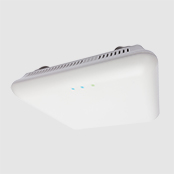
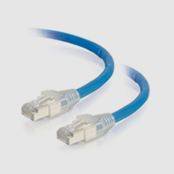
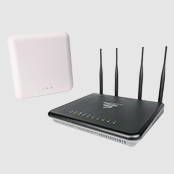
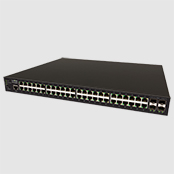
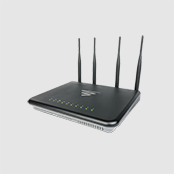
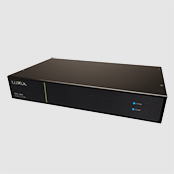
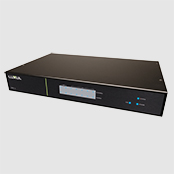
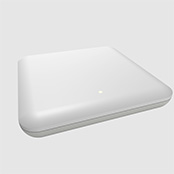
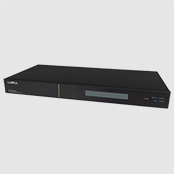
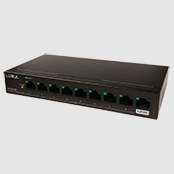
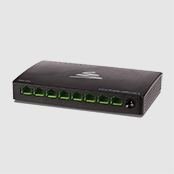
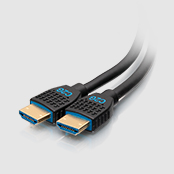
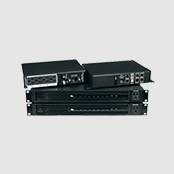
Essential networking equipment includes routers, switches, access points, modems, wireless controllers, and network accessories like cables. Routers direct traffic between different networks, switches connect multiple devices within the same network, access points provide wireless connectivity, wireless controllers manage numerous access points for seamless wireless network operation, and modems connect the network to the internet. Additionally, networking accessories like cables establish wired connections between devices.
What are the benefits of Luxul's IP networking solutions?
Luxul's IP networking solutions offer several benefits:
- High Performance: Luxul's IP networking solutions ensure high performance by providing reliable and fast connectivity for all your devices.
- Scalability: These solutions allow you to quickly expand your network as your needs grow, offering excellent scalability.
- Ease of Use: The setup and management tools are user-friendly, making the solutions easy to operate.
- Advanced Features: Luxul offers advanced features, including enhanced security, traffic management, and network monitoring capabilities.
- Comprehensive Support: Luxul IP networking solutions give customers access to professional support and resources for troubleshooting and optimization.
What is the difference between an access point and a router?
An access point provides wireless connectivity to devices within a network, extending the reach of the wireless signal. Conversely, a router directs data traffic between different networks and connects the local network to the internet. While routers often have built-in wireless capabilities, access points are used to expand or enhance existing wireless coverage.
What networking accessories are necessary?
Necessary networking accessories include:
- Patch Panels: Patch panels organize and connect network cables efficiently within a network setup.
- Cable Management Solutions: Cable management solutions, such as cable ties, clips, and sleeves, help keep cables organized.
- PoE Injectors: PoE injectors provide Power over Ethernet, enabling network devices to receive power through network cables.
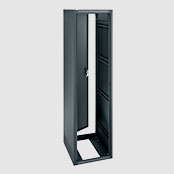
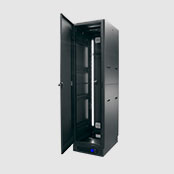
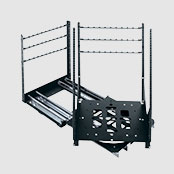
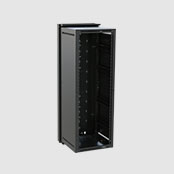
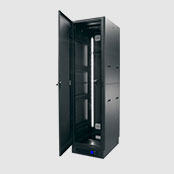
- Network Racks and Enclosures: Network racks and enclosures secure and protect networking equipment in a structured manner.
- Fiber Optic Accessories: Fiber optic accessories, including cables, connectors, and adapters, facilitate high-speed data transmission.
- Surge Protectors: Surge protectors safeguard network equipment from electrical surges.
- Media Converters: Media converters convert network signals from one type of media to another, from copper to fiber.
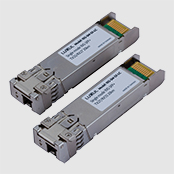
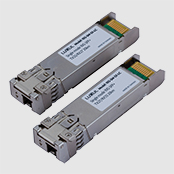
- SFP Modules: SFP modules are used for network expansion and upgrading.
- Keystone Jacks and Wall Plates: Keystone jacks and wall plates are modular connectors used in network installations to terminate network cables.
- Transceivers: Transceivers can transmit and receive data and facilitate network communication.
How do I know if I need a router or modem?
You need a router to direct traffic between different networks and to connect multiple devices within your local network. A modem is required to connect your local network to the internet. In smaller setups, a single device often combines both functions, but in larger or more complex networks, separate devices may be used.
What are switches used for?
Switches are used to connect multiple devices within the same network so they can communicate with each other efficiently. They manage data traffic by sending information only to the device that needs it, which helps to reduce congestion and improve network performance. Switches are essential in both small and large networks to ensure smooth and reliable connectivity.